


By Dr. Rod Berger
New here? I’m Dr. Rod Berger, the newest voice on The Dangerous Ones Network. My work has always been handing someone else the microphone: more than 4,000 interviews across five continents, many with people whose names will never make the news. On Help Me Understand, you bring the question to The People’s Hotline, and I go find where we’ve seen it before. Some episodes I record alone. On others, my friend Marshall Herskovitz, the Emmy-winning writer, director and producer who co-created thirtysomething, joins me.
Last night I joined Jim, Tiffany and Nick for The Dangerous Ones’ Election Night coverage.

🔔WHAT A NIGHT! Check out the replay if you weren’t able to make it 🙌
LIVE: Election Night: Who’s Winning & Who’s Losing Their FKING Mind?
The World Is Watching

We also talked about The World Is Watching, a short film I wrote for Eleven Films in the summer of 2024. It opens in an empty Oval Office and ends on a question that still stands two years later: are you ready to make your voice heard? Watch it here.
This one came into The People's Hotline:
"We're all having medications cut because we can't afford them. I have to wait until I get formulary appeals pushed through to cover my medication."
A formulary is a plan's list of the drugs it covers. An appeal, or what Medicare calls an exception, is a request to cover a drug that isn't on the list or to lift a limit on one. The caller is waiting for a yes before taking a medicine that already works.
So let's look at how we got here.
A boy in a Toronto ward
In December 1921, Toronto General Hospital admitted a fourteen-year-old named Leonard Thompson as a charity patient. His diabetes had left him weighing about 65 pounds. On January 11, 1922, doctors gave him an early pancreatic extract. It failed.
On January 23, they tried again with a purified extract made by the biochemist James Collip. Thompson's blood sugar came back to normal.
The extract was insulin.
Why patent it at all
On April 12, 1922, five members of the Toronto team wrote to the university's president proposing a patent. Their stated reason: "anyone would be free to prepare the extract, but no one could secure a profitable monopoly."
In December 1922, Frederick Banting, Charles Best and Collip signed their Canadian rights over to the University of Toronto for one dollar. The American patent, number 1,469,994, went to the university in October 1923.
A Seattle paper ran the news that February under a stack of short lines: "Insulin. New Diabetes Remedy. Found by University. Patented for Public."
You may have seen a quote attributed to Banting: "Insulin does not belong to me, it belongs to the world." There is no evidence he said it. It traces to a 1959 children's biography. The dollar is real. The line is not.
It was never free
The university licensed manufacturers and used the royalties for more research. In 1922 it gave Eli Lilly exclusive rights to make insulin for the United States and Central and South America.
Licensing was how the plan worked. A university lab couldn't make enough insulin for everyone who needed it, and through the spring of 1922 there wasn't enough to go around. The patent let the university decide who could make the drug, while a company with factories made it at scale. Patents and licenses are how a discovery becomes a supply. That is the strongest case for the system the caller is now caught inside, and it was true in Toronto too.
What the researchers settled
The Toronto team settled who insulin belonged to before most patients had ever heard of it. Today's caller is asking the same question from the other side of the pharmacy counter.
What medicine in your house costs more than you would say out loud?
When you appeal a denial, who do you picture on the other side?
Who decides what your medicine is worth?
A note on limits: A decision made in Toronto a century ago doesn't explain what a drug costs now. Between the lab and the counter today there are manufacturers, insurers, pharmacy benefit managers and plan formularies, and this piece can't sort out who is responsible for which part of the price. What it shows is that the people who discovered insulin asked, early and on paper, who it should belong to.
Meet your host
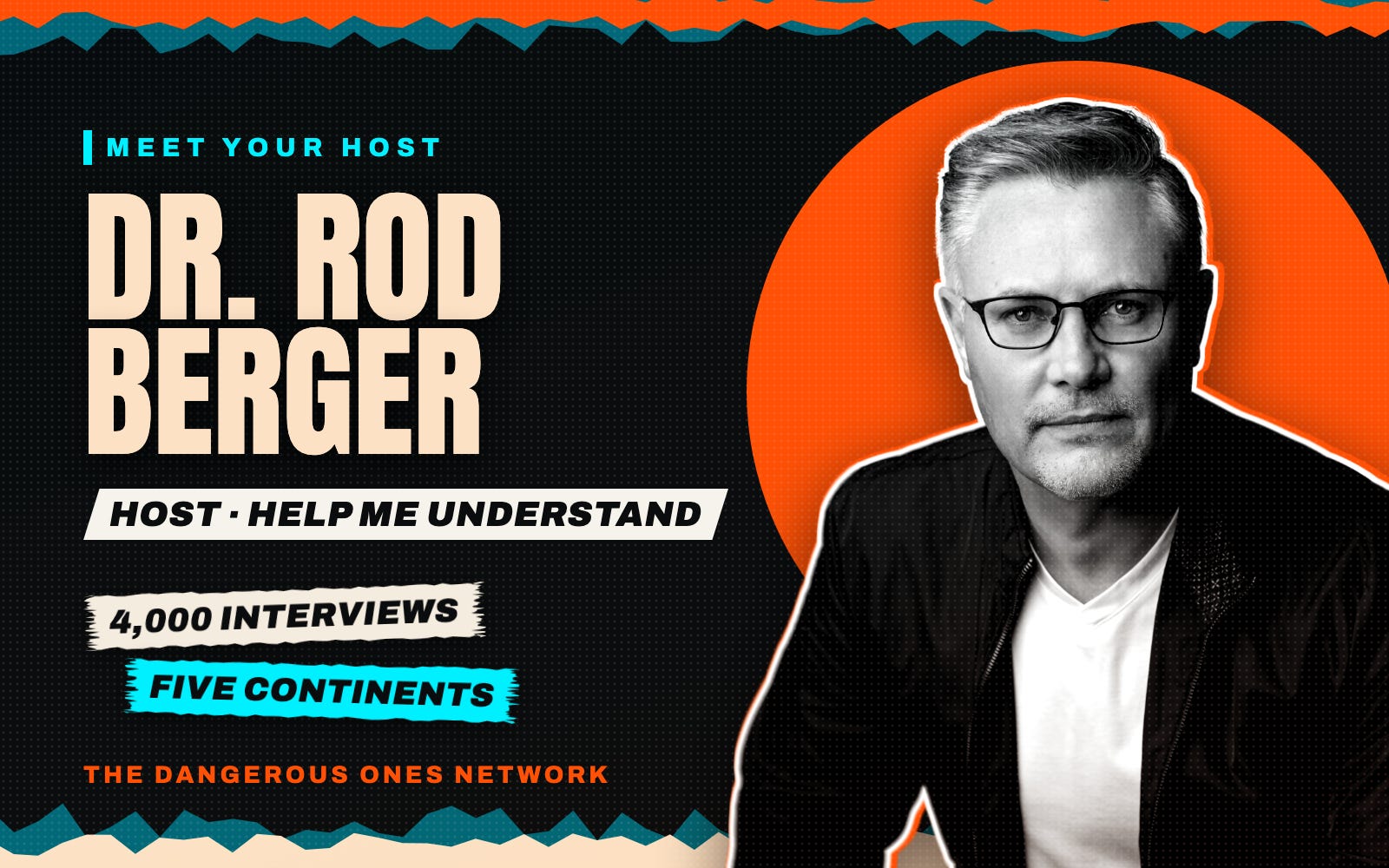
I’ve written for Forbes and Entrepreneur, and I serve as Editor-at-Large at Fair Observer. For nearly two decades, I was a guest lecturer on Storytelling in Business at Vanderbilt’s Owen Graduate School of Management. You’ll find more of my work at drrodberger.com.
Here, my job is narrower. The callers can take a side. I don't. I go looking for where we've seen this before, and I bring back the strongest case each side can make.
Help Me Understand, the podcast
You read the story three times and still can't say what happened. Somewhere in the third read, you stopped caring. You're not shallow. You're tired.
Help Me Understand is my podcast on The Dangerous Ones Network. Each episode takes the stories from the news that make no sense to an ordinary person and asks the question we should be asking and aren’t. No verdict. The reel at the top of this post starts where the show does, with a message someone left on The People’s Hotline.
Latest episode: The Three-Point Plan, with Marshall Herskovitz. The 2017 Senate lunch that pulled him into politics, and the three principles he built from years of polling.
Also this week: Persuasion Over Division, Calling the Bluff, Lives of Quiet Struggle with Marshall Herskovitz, and Ninety Dollars and a Door.
The book
Most of us live inside stories we never chose. Someone handed them to us, and we kept telling them.
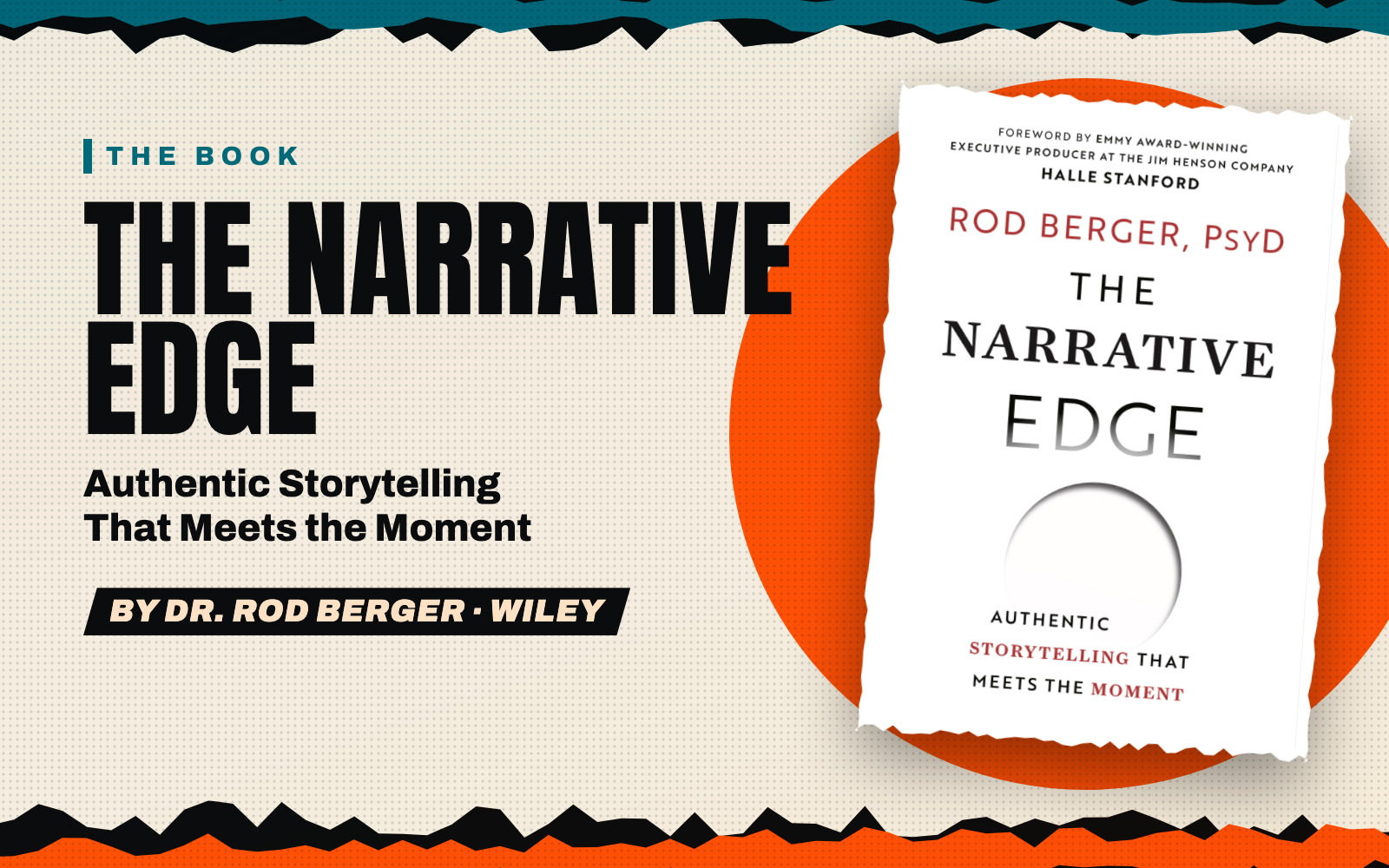
The Narrative Edge: Authentic Storytelling That Meets the Moment (Wiley) is my book about learning to see those stories: how a story gets built, whose interests it serves, and what it asks you to do. Help Me Understand brings the same habit to the news.
Watch or listen: Persuasion Over Division
Watch the full conversation on Substack
Help Me Understand with Dr. Rod Berger, on The Dangerous Ones Network. Have something you're trying to understand? Call The People's Hotline and leave a message: 503-212-4600.