


By Dr. Rod Berger
New here? I’m Dr. Rod Berger, the newest voice on The Dangerous Ones Network. My work has always been handing someone else the microphone: more than 4,000 interviews across five continents, many with people whose names will never make the news. On Help Me Understand, you bring the question to The People’s Hotline, and I go find where we’ve seen it before. Some episodes I record alone. On others, my friend Marshall Herskovitz, the Emmy-winning writer, director and producer who co-created thirtysomething, joins me.
The caller to The People's Hotline was describing an ordinary week:
"You literally have to divide your budget into what you can afford to eat, what can you afford to feed your animals … It's frustrating. It's actually scary."
Frustration is about a price. Fear is about what comes after it.
So let's look at how we got here.
The arithmetic ran out
In February 1916, a hundred pounds of onions cost New York wholesalers $2.50. A year later the city's own Commissioner of Weights and Measures put the price at $14.00. Cabbage went from $11 a ton to $160. In Brooklyn, families were paying 18 cents a pound for onions at retail.
On the afternoon of Monday, February 19, 1917, women in Brownsville, Williamsburg and the Lower East Side turned on the pushcarts. They upset the carts and poured kerosene on the vegetables.
The peddlers who lost their stock were mostly poor immigrants too, and East Side labor leaders urged the women not to attack them.
The next day, The Sun reported, "more than 300 East Side women, many of whom carried babies, stormed the City Hall, crying out: 'We want bread! We are starving!'" The paper's front page called it food riots spreading.
What the mayor could and couldn't do
On February 21, Mayor John Purroy Mitchel met with fifteen of the women. He told them the law gave the city no power to buy and sell food and ordered the health and charities departments to find out whether people were actually starving. The health commissioner's report found "very little destitution" but warned that families living on less than $800 a year were in danger unless prices fell or wages rose.
The other explanations
Merchants and officials offered other explanations, and their reasons were real. The state's agriculture commissioner pointed to a short potato crop after a wet spring. People in the trade pointed to wartime demand from Europe pulling food overseas. And freight was stuck: embargoes and jammed terminals kept carloads from reaching the city.
When the trains started moving again in late February, wholesale prices fell. By March 1, onions had dropped from 18 cents a pound to 11, and potatoes from about 8 cents to 6. The Sun credited both the railways and the boycott. When the city offered cheap fish as relief, many East Side women turned it down as charity.
Where the argument gets settled
Prices get argued in public, in City Hall and in the papers, and settled at kitchen tables, one purchase at a time.
What did you tell yourself the last time you put something back on the shelf?
Who in your life is quietly going without so someone else doesn't have to?
What did your family stop buying first?
A note on limits: In 1917 a short crop, wartime demand from Europe and a rail jam all hit at once, and prices eased when the trains moved. I can't say whether today's grocery prices have a cause that simple, or a fix that quick. What the history shows is how fast "frustrating" becomes "scary" when the budget stops dividing, and how often the people who feel it first are the ones with the least room to adjust.
Meet your host
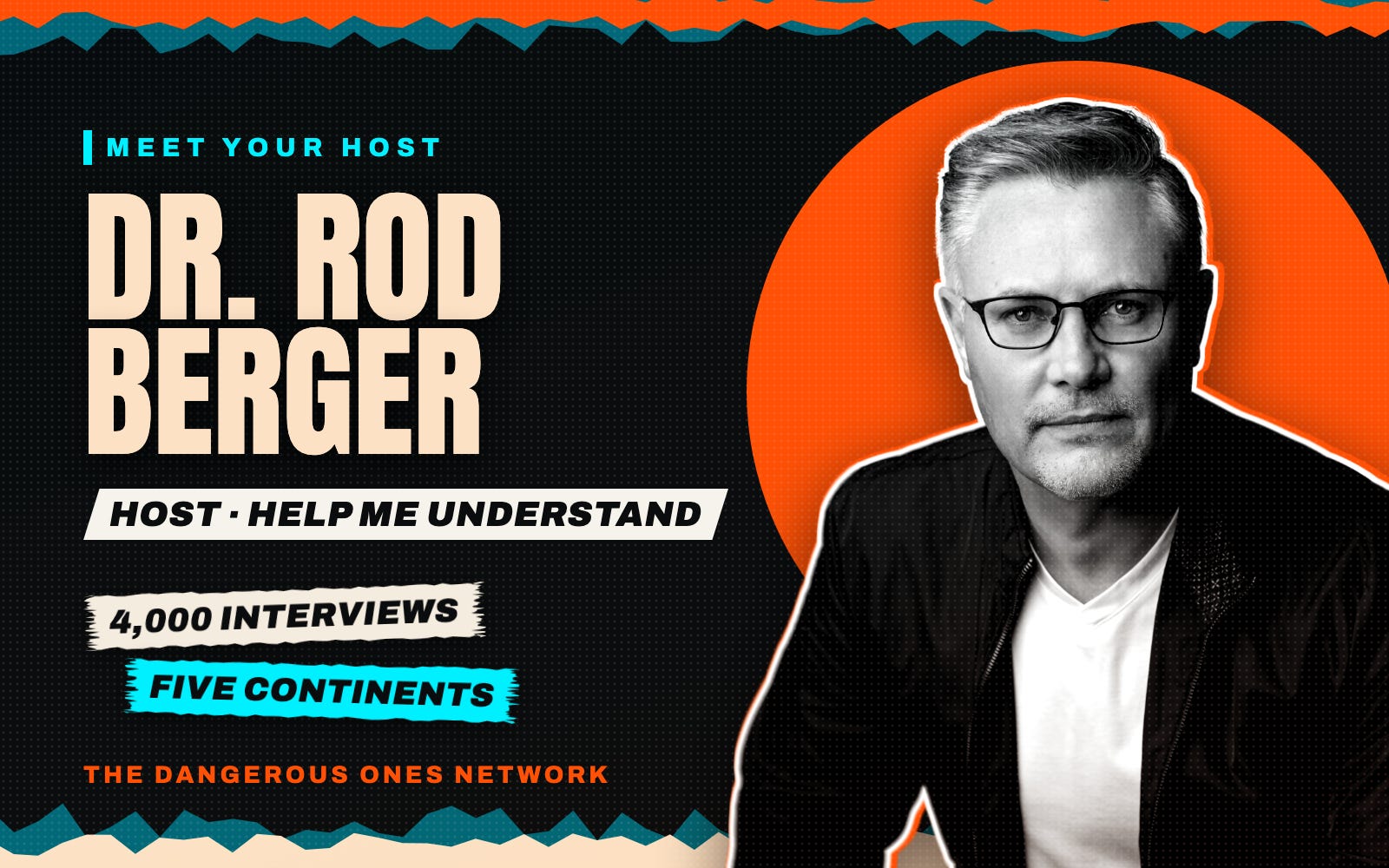
I’ve written for Forbes and Entrepreneur, and I serve as Editor-at-Large at Fair Observer. For nearly two decades, I was a guest lecturer on Storytelling in Business at Vanderbilt’s Owen Graduate School of Management. You’ll find more of my work at drrodberger.com.
Here, my job is narrower. The callers can take a side. I don't. I go looking for where we've seen this before, and I bring back the strongest case each side can make.
Help Me Understand, the podcast

You read the story three times and still can't say what happened. Somewhere in the third read, you stopped caring. You're not shallow. You're tired.
Help Me Understand is my podcast on The Dangerous Ones Network. Each episode takes the stories from the news that make no sense to an ordinary person and asks the question we should be asking and aren’t. No verdict. The reel at the top of this post starts where the show does, with a message someone left on The People’s Hotline.
Latest episode: Calling the Bluff. Ramaswamy’s ad, Vance on gas prices and the attacks on Abdul El-Sayed’s family: three ways to point somewhere else in one week. Watch the episode.
Also this week: Lives of Quiet Struggle, with Marshall Herskovitz, and Ninety Dollars and a Door, on the $90 Medicare check.
The book
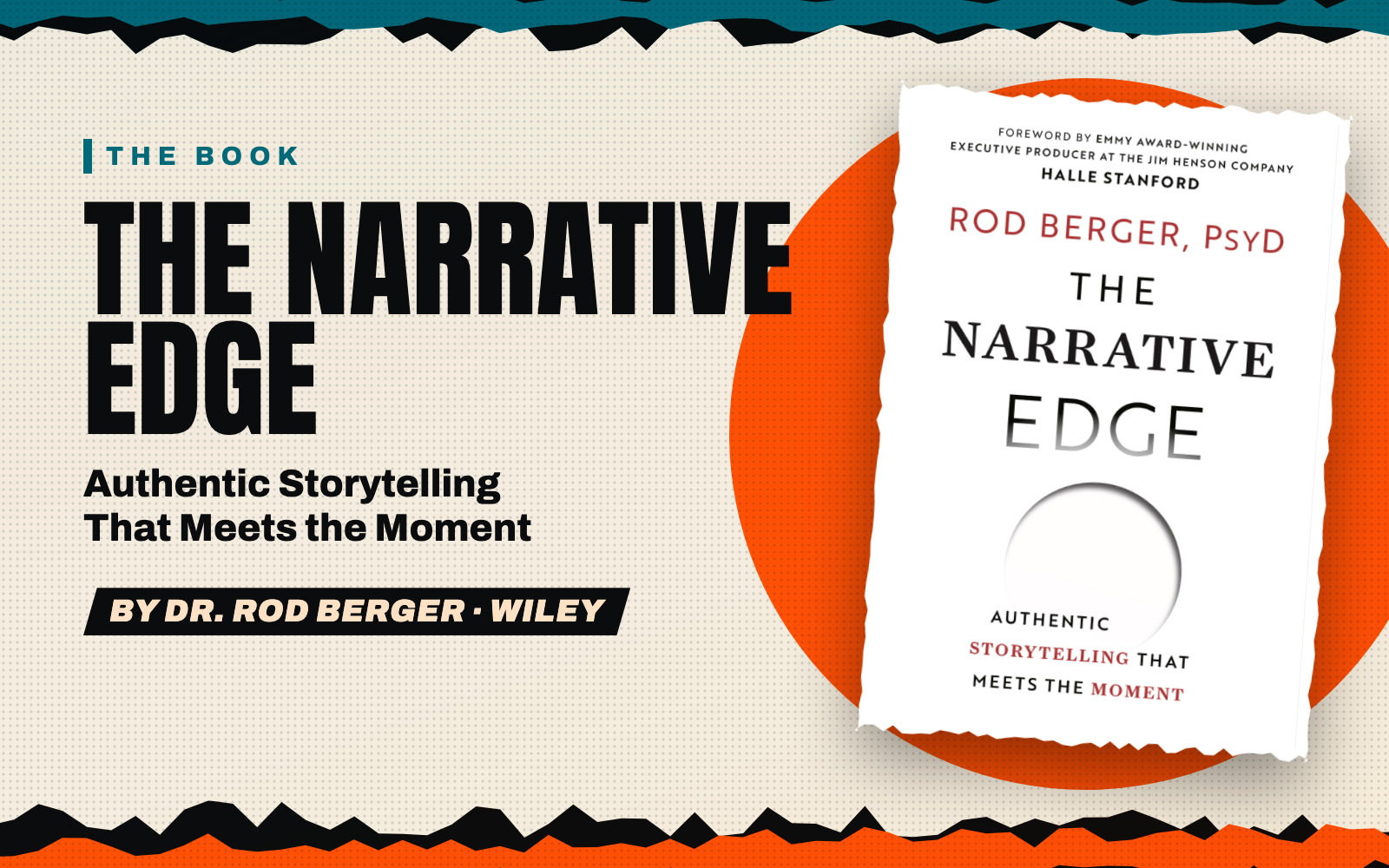
Most of us live inside stories we never chose. Someone handed them to us, and we kept telling them.
The Narrative Edge: Authentic Storytelling That Meets the Moment (Wiley) is my book about learning to see those stories: how a story gets built, whose interests it serves, and what it asks you to do. Help Me Understand brings the same habit to the news.
Help Me Understand with Dr. Rod Berger, on The Dangerous Ones Network. Have something you're trying to understand? Call The People's Hotline and leave a message: 503-212-4600.