


By Dr. Rod Berger
New here? I’m Dr. Rod Berger, the newest voice on The Dangerous Ones Network. For most of my working life, my job has been to hand someone else the microphone: more than 4,000 interviews across five continents, and in almost every one, the person with the most at stake was the last one anyone had asked. On Help Me Understand, you bring the question to The People’s Hotline, and I go find where we’ve seen it before. This week’s episode brings in my friend Marshall Herskovitz, the Emmy-winning writer, director and producer who co-created thirtysomething, and we don’t always agree.
The message to The People's Hotline asked two questions and didn't wait for an answer:
"Is there anything more valuable than our freedom? Is there anything more valuable than our country?"
The caller was worried about the courts and the Constitution. Questions like those are easy to agree with and hard to act on, because acting on them usually means holding someone you support to the same rule you'd hold anyone else to.
So let's look at how we got here.
Six more seats
On February 5, 1937, President Franklin Roosevelt asked Congress for the power to add a new federal judge for every sitting judge who was 70 or older and hadn't retired. On the Supreme Court, the total couldn't go past fifteen, which meant as many as six new justices. Six of the nine were over 70.
He had a real case. He pointed to crowded dockets and aging judges, and to a Court that had struck down major pieces of his New Deal, including the industrial recovery law in 1935. In a fireside chat on March 9, he said the Court had been "acting not as a judicial body, but as a policy-making body," and that the country had to "save the Constitution from the Court and the Court from itself."
He meant it. And his party held 76 of the 96 seats in the Senate.
The answer from his own side
On June 14, the Senate Judiciary Committee filed its report. "We recommend the rejection of this bill," the committee wrote, "as a needless, futile, and utterly dangerous abandonment of constitutional principle." The plan should be "so emphatically rejected that its parallel will never again be presented to the free representatives of the free people of America."
Ten senators signed it. Seven were Democrats.
On July 22, the full Senate sent the bill back to committee, 70 votes to 20. The Court stayed at nine.
What the country thought
The public didn't break across party lines the way the Senate did. Gallup's own look back at its 1937 polling found the country roughly split, with about seven in ten Democrats in favor and most Republicans opposed. The break with party came from the senators who had to vote on it.
People often say the Court saved itself by changing course that spring, the "switch in time that saved nine." The Court heard the key case in that story in December 1936, before Roosevelt announced the plan, and historians still dispute how much the plan changed anything.
The rule they held him to
The senators who stopped him were mostly his own. They decided the Court's independence mattered more than handing a win to a president of their own party.
When did you last disagree with your own side out loud?
What rule would you keep even if it cost you a win?
Would you stop your own side the way they stopped theirs?
A note on limits: This piece isn't about any party or any proposal today, and it can't tell you whether any current fight over the courts is right or wrong. It shows something about the people in the room in 1937. A rule only protects you if it holds when your own side wants it bent.
Meet your host
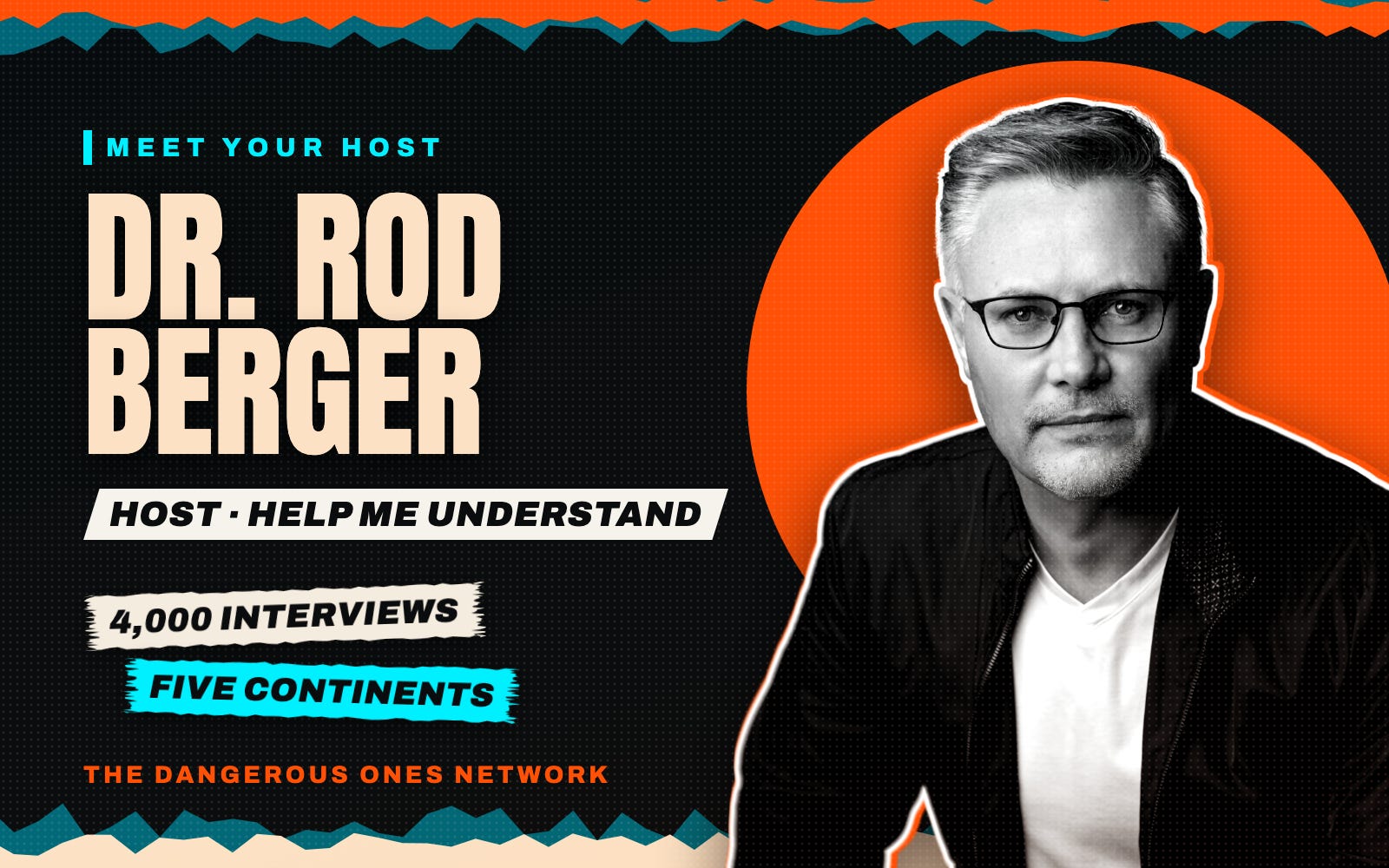
I’ve written for Forbes and Entrepreneur, and I serve as Editor-at-Large at Fair Observer. For nearly two decades, I was a guest lecturer on Storytelling in Business at Vanderbilt’s Owen Graduate School of Management. You’ll find more of my work at drrodberger.com.
Here, my job is narrower. The callers can take a side. I don't. I go looking for where we've seen this before, and I bring back the strongest case each side can make.
Help Me Understand, the podcast
You read the story three times and still can't say what happened. Somewhere in the third read, you stopped caring. You're not shallow. You're tired.
Help Me Understand is my podcast on The Dangerous Ones Network. Each episode takes the stories from the news that make no sense to an ordinary person and asks the question we should be asking and aren’t. No verdict. The reel at the top of this post starts where the show does, with a message someone left on The People’s Hotline.
Latest episode: Lives of Quiet Struggle. My friend Marshall Herskovitz joins me on Elon Musk’s power, a federal government he calls privatized, what it means to be a man, and the discipline it takes to win. We don’t always agree. Watch the full conversation.
Earlier this week: Ninety Dollars and a Door. The $90 Medicare check, 2027 ACA premiums and New Hampshire’s student ID order. Watch the episode.
The book
Most of us live inside stories we never chose. Someone handed them to us, and we kept telling them.
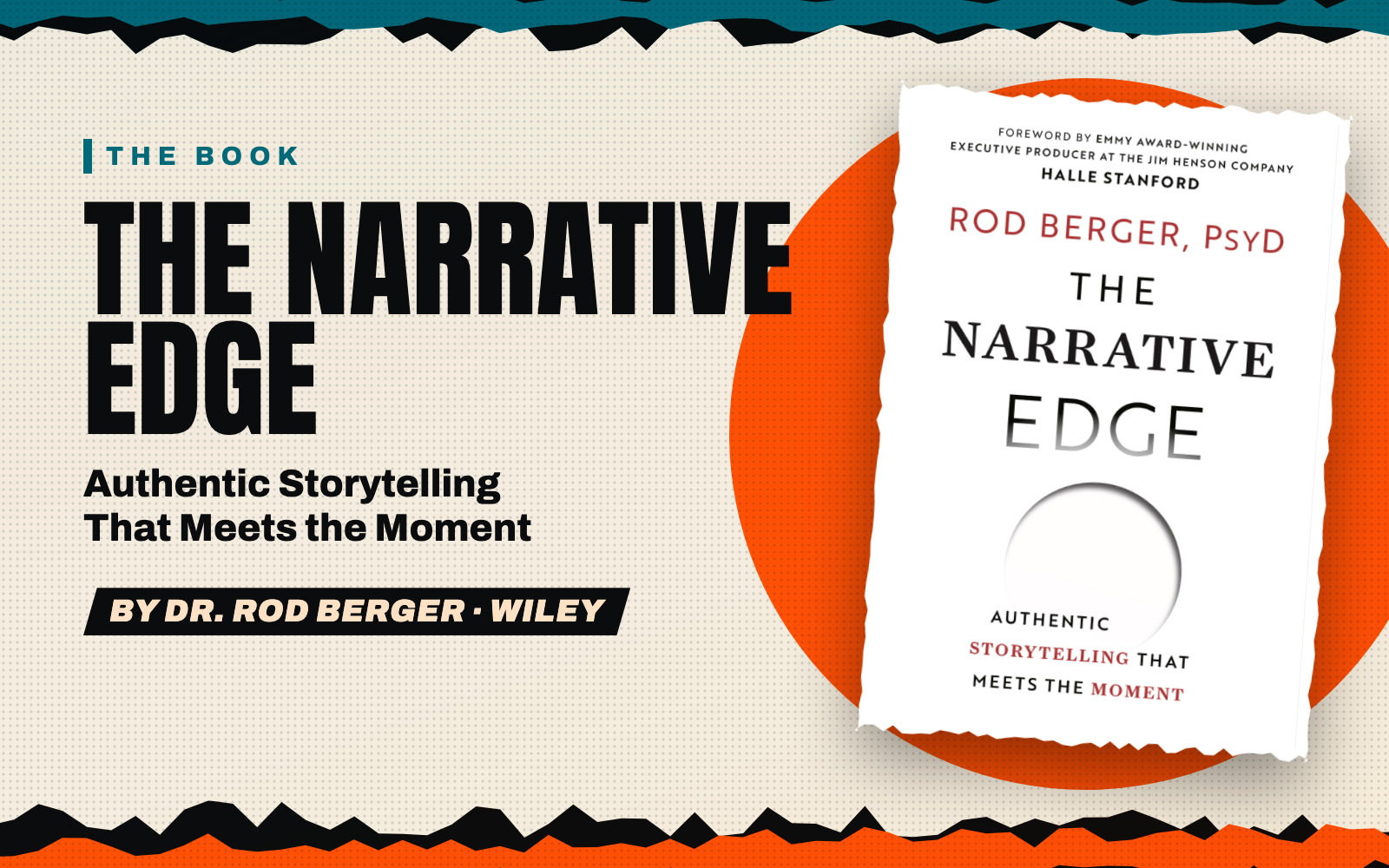
The Narrative Edge: Authentic Storytelling That Meets the Moment (Wiley) is my book about learning to see those stories: how a story gets built, whose interests it serves, and what it asks you to do. Help Me Understand brings the same habit to the news.
Help Me Understand with Dr. Rod Berger, on The Dangerous Ones Network. Have something you're trying to understand? Call The People's Hotline and leave a message: 503-212-4600.
Well maybe this time after his self coup, they'll remove him, or at least resign so the Ds can take over the House and Senate before 01/03/27.