


By Dr. Rod Berger
I’m Dr. Rod Berger, the newest voice on The Dangerous Ones Network, so before the history, an introduction. For most of my working life, my job has been to hand the microphone to someone else. I’ve done more than 4,000 interviews across five continents, with CEOs and heads of state, athletes and authors, and families in a refugee settlement in Uganda whose names will never make the news. In almost every one of those conversations, the person with the most at stake was the last one anyone had asked.
Help Me Understand is where I keep asking.
You bring the question to The People’s Hotline, and I go find where we’ve seen it before. On some episodes, my friend Marshall Herskovitz joins me. He’s the Emmy-winning writer, director, and producer who co-created Thirtysomething, and we don’t always agree.
The message runs forty-one seconds. Near the end, the voice on the line asks the question that sits underneath so much of what comes into The People's Hotline:
"What am I supposed to do? I don't understand what's happening."
The caller had been following news about premiums and coverage and could not make the pieces fit. Medicare has always been hard to read from the outside.
So let's look at how we got here.
Several million who had not signed up
President Johnson signed Medicare into law on July 30, 1965, at the Truman Library in Independence, Missouri. Hospital coverage came automatically. Coverage for doctor bills, what we now call Part B, did not. It cost three dollars a month, and you had to sign up for it.
There was a deadline: March 31, 1966. Miss it, and you waited about two years for the next chance and paid more when it came.
By the end of 1965, the government's own pamphlet named the problem. "Several million of the elderly poor have not filed," it said, many of them living "in hidden isolation in the slums and back roads."
A jobs program that was also a translation program
On December 28, 1965, Sargent Shriver's Office of Economic Opportunity announced Operation Medicare Alert. It paid older, low-income Americans to find other older Americans, knock on their doors, and explain the program.
The agency expected to fund 80 to 100 local projects. Demand pushed it to 466 grants worth $7.2 million, in every state except Alaska, Idaho and Wyoming. The Social Security Administration prepared material in 23 languages. In Maine, a White House summary noted, some workers reached homes on horseback. Congress pushed the deadline back to May 31.
When the Senate's aging committee counted it up that October, the workers had contacted 3,841,027 older people one at a time and walked 18,048 of them into Social Security offices. By the time benefits began on July 1, 1966, about 92 percent of eligible seniors had signed up for doctor coverage.
The case the skeptics made
Not everyone trusted the rollout. A wire story on the morning benefits began described hospitals that "braced themselves" amid "scattered forecasts of overcrowding" and charges from some members of Congress that the planning had been negligent. President Johnson himself asked patients not to demand care they didn't need. Those were reasonable worries about a program that size launching on a single day. An American Hospital Association official called the swamping fears "just plain silly."
What the knock found
The Senate report recorded something no one had budgeted for. The door-knockers kept finding loneliness. One senior told a worker, "No one has knocked on my door for 6 months."
The worker had come about a deadline.
When did someone last explain a bill or a benefit to you in person, instead of on a page?
Who in your family would never call to ask?
Who in your life is waiting for someone to knock?
A note on limits: The 1966 problem was building a new program and finding the people it was for. Today's caller is living through changes to a program that already exists, and the history can't settle whether any particular change is right. It shows something narrower. When a system that holds people's health becomes hard to understand, the fix that reached furthest was a person willing to explain it face to face, and what that person found went past the paperwork.
Meet your host
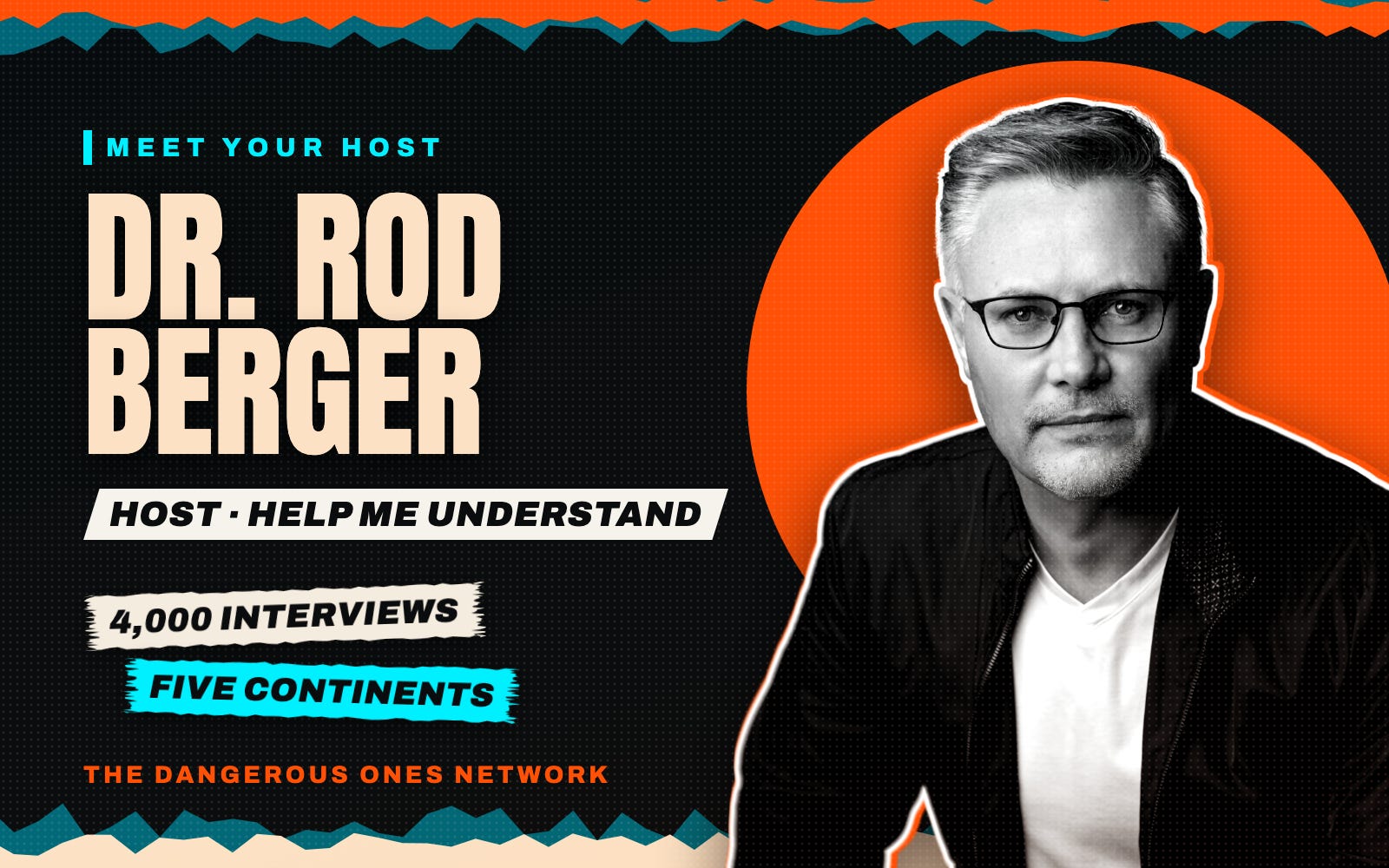
I’ve written for Forbes and Entrepreneur, and I serve as Editor-at-Large at Fair Observer. For nearly two decades, I was a guest lecturer on Storytelling in Business at Vanderbilt’s Owen Graduate School of Management. You’ll find more of my work at drrodberger.com.
Here, my job is narrower. The callers can take a side. I don't. I go looking for where we've seen this before, and I bring back the strongest case each side can make.
Help Me Understand, the podcast
You read the story three times and still can't say what happened. Somewhere in the third read, you stopped caring. You're not shallow. You're tired.
Help Me Understand is my podcast on The Dangerous Ones Network. Each episode takes the stories from the news that make no sense to an ordinary person and asks the question we should be asking and aren’t. No verdict. The reel at the top of this post starts where the show does, with a message someone left on The People’s Hotline.
Latest episode: Ninety Dollars and a Door. The $90 Medicare check, 2027 ACA premiums and New Hampshire’s student ID order, and the question underneath all three. Watch the full episode.
The book
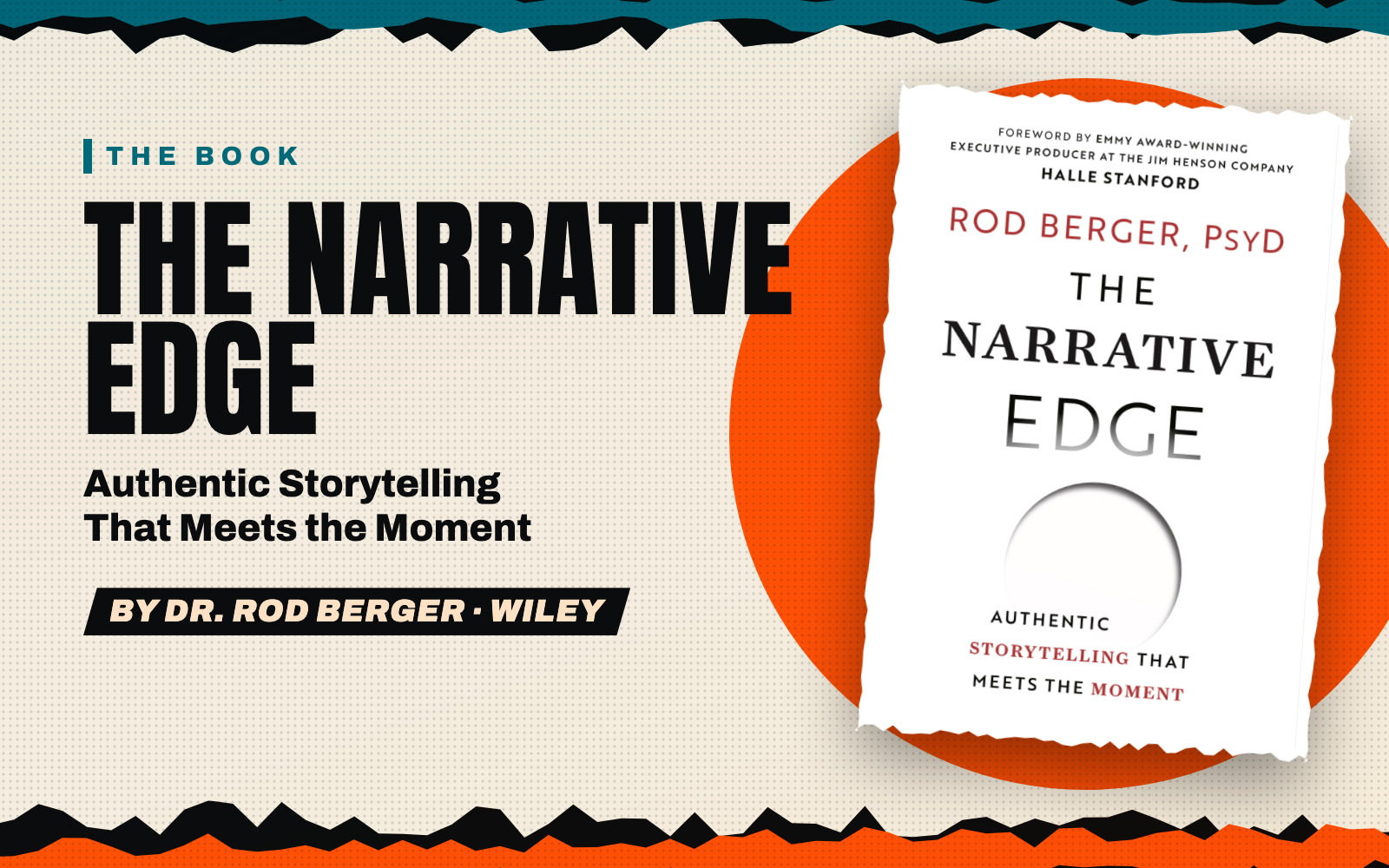
Most of us live inside stories we never chose. Someone handed them to us, and we kept telling them.
The Narrative Edge: Authentic Storytelling That Meets the Moment (Wiley) is my book about learning to see those stories: how a story gets built, whose interests it serves, and what it asks you to do. Help Me Understand brings the same habit to the news.
Help Me Understand with Dr. Rod Berger, on The Dangerous Ones Network. Have something you're trying to understand? Call The People's Hotline and leave a message: 503-212-4600.