



By Dr. Rod Berger
I'm Dr. Rod Berger. On Help Me Understand, you bring the question to The People's Hotline, and I go find where we've seen it before.
Before the story, a question for you. Next week I'll share how HMU readers answered.
A month before election day, a listener called The People's Hotline. She didn't call about a candidate. She called about whether she'd show up at all.
“I was a little lazy and didn't vote midterms, but believe you me, this time… is different.”
A caller to The People's Hotline, hopeful, on showing up
She said lazy, about herself, on a recorded line. Most of us explain our absences. She owned hers. Her party stayed the same. Her attendance didn't.
That's what an election result hides. A margin looks like people changing their minds. A lot of it is people changing whether they come.
The district that runs to my county
On election day, NewsChannel 5 in Nashville walked through the new Ninth Congressional District. Earlier this year, the legislature redrew it. It used to be Memphis. Now it runs about two hundred miles east, into the suburbs south of Nashville, and into Williamson County, where I live.
The station also reported the race's latest controversy. Brent Taylor, the Republican, admitted to sending unsolicited nude photos to a woman in 2021. He called it a youthful indiscretion. He was 53 at the time.
Taylor won the district by about 2,500 votes. In the Williamson County part of the district, he won by about 10,000. Do that arithmetic once. Without my county, he loses.
Voters knew what he had admitted before they voted. About six in ten of my neighbors in that part of the county chose him anyway.
Six seats and a supermajority
Now the rest of the state. Marsha Blackburn won the governor's race by about two and a half points, and she'll be Tennessee's first woman governor. Democrats flipped six seats in the state House. Republicans still hold 68 of 99, which is still a supermajority. In the Fourth District, Victoria Broderick led Scott DesJarlais by about 280 votes, and when I recorded the episode, the Associated Press hadn't called it.
Here's the strongest case that nothing changed, and it's a fair one. In a year Democrats won across the country, Tennessee Republicans kept the governor's office, kept the supermajority and took a seat that used to be safely blue. All true. And each of those wins came by a margin a red state never used to need.
Arrival or absence
FOX 17 in Nashville put both parties' explanations side by side from Rutherford County, where three of those six flips happened. Rachel Campbell, for the Democrats, says new people came. Steve Gill, for the Republicans, says his people stayed home.
They can both be right. One is a story about arrival. The other is a story about absence. A seat flips the same way either way.
Rutherford is one of the fastest-growing counties in the state: new neighborhoods, new voters, people who don't carry anyone's old habits. Nobody knows the split yet, because the precinct-level data isn't out. But listen to what Gill concedes. He doesn't say Democrats persuaded anyone. He says Republicans didn't bother.
What's gone is the cushion
Two and a half points, in a state Donald Trump carried by almost thirty points two years ago. Here's how both halves of the question are true at once. The people who vote every time in Tennessee are still mostly Republican. What's gone is the cushion, the people who used to show up without thinking about it.
In my own county, about 46 percent of registered voters didn't vote at all, by the county's own unofficial count. Tennessee stayed red because enough people kept their habits, and because the legislature drew the lines to make those habits count twice.
The frame I have to watch
I live in Williamson County. The easy frame for me is hypocrisy: six in ten of my neighbors, and a candidate who admitted that. It's a comfortable frame, because it puts me above them. It also skips the harder question. How often have I voted for the letter after a name and told myself it was about the person?
And the people who stayed home this year aren't on our phone line. People who don't vote rarely call a show about voting.
When did you last skip a vote because you were sure how it would turn out?
If the candidate you support admitted what Brent Taylor admitted, would you still vote for him?
Which of your neighbors do you think you already know, without ever having asked?
When did you last vote against your own party, and do you remember why?
Is your vote a choice you make each time, or a habit you defend? Tell me in the comments.
A note on limits: County totals can't tell you why any one person voted the way they did. These counts are unofficial. And our hotline numbers stop in early September, before any of this happened.
Meet your host
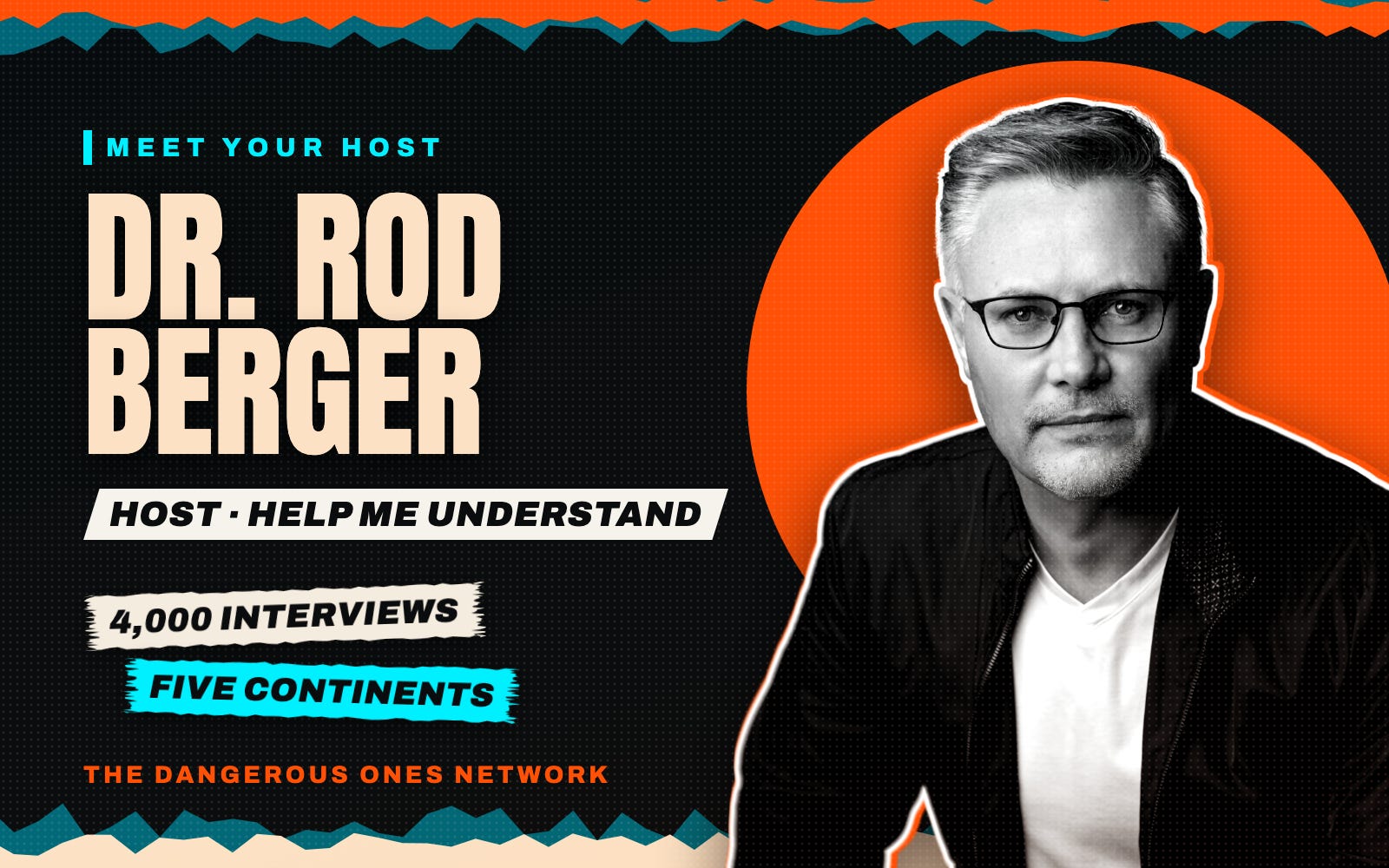
I’ve written for Forbes and Entrepreneur, and I serve as Editor-at-Large at Fair Observer. For nearly two decades, I was a guest lecturer on Storytelling in Business at Vanderbilt’s Owen Graduate School of Management. You’ll find more of my work at drrodberger.com.
Here, my job is narrower. The callers can take a side. I don't. I go looking for where we've seen this before, and I bring back the strongest case each side can make.
Help Me Understand, the podcast

Help Me Understand is my podcast on The Dangerous Ones Network. Each episode takes the stories from the news that make no sense to an ordinary person and asks the question we should be asking and aren't.
Latest episode: Who Stayed Home. The redrawn Ninth District, three flips in Rutherford County and a governor's race closer than anyone in power expected.
Recent episodes: The Weeks In Between, The Three-Point Plan and Persuasion Over Division with Marshall Herskovitz, Calling the Bluff, Lives of Quiet Struggle with Marshall Herskovitz, and Ninety Dollars and a Door.
The book
Most of us live inside stories we never chose. Someone handed them to us, and we kept telling them.
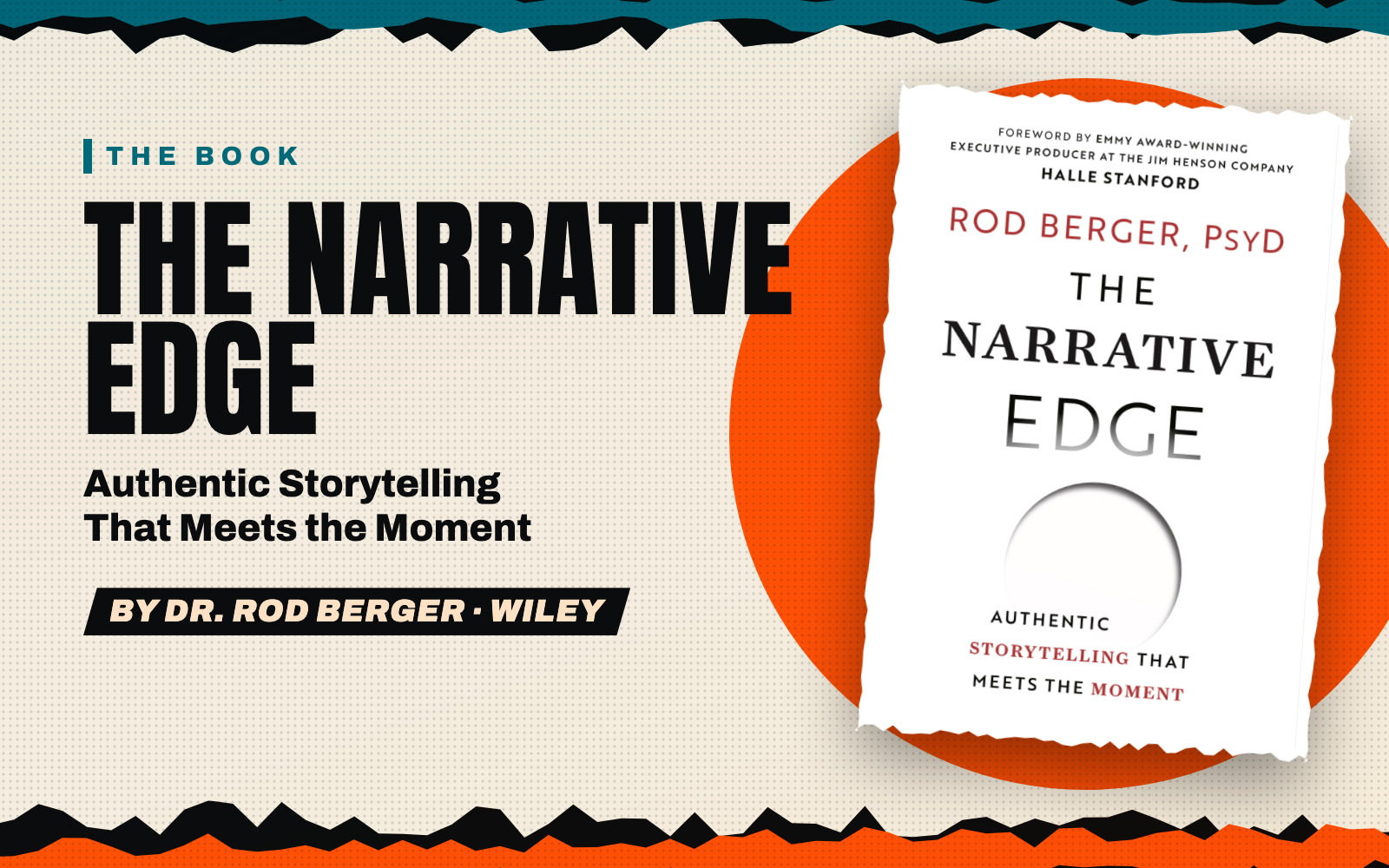
The Narrative Edge: Authentic Storytelling That Meets the Moment (Wiley) is my book about learning to see those stories: how a story gets built, whose interests it serves, and what it asks you to do. Help Me Understand brings the same habit to the news.
Watch or listen: Who Stayed Home
Help Me Understand with Dr. Rod Berger, on The Dangerous Ones Network. Have something you're trying to understand? Call The People's Hotline and leave a message: 503-212-4600.
The rabid dogs are still joining forces this group needs to be eliminated