


By Dr. Rod Berger
I’m Dr. Rod Berger. On Help Me Understand, you bring the question to The People’s Hotline, and I go find where we’ve seen it before.
Last week I asked who should write the rules for AI. 141 of you answered, and two out of three picked a new independent agency (95 votes). Congress drew 30, the states 14, and the companies building it 2.
Before the story, a question for you. Next week I’ll share how HMU readers answered.
The year after the mills
The reel above ends in 1938, when the country put the steel back in the fire. But eight months after the Supreme Court struck down the child labor law, on February 7, 1919, a court in Michigan answered a different question: who is a company for?
Henry Ford wanted to stop paying special dividends and spend the money on a bigger plant, more workers and cheaper cars. John and Horace Dodge, who owned a tenth of the company, sued to stop him. The Michigan Supreme Court ordered the dividend paid, roughly $19.3 million, and let Ford build his plant. It also wrote the sentence corporate law classes still teach: “A business corporation is organized and carried on primarily for the profit of the stockholders.”
One call
In August, a listener left this message on The People’s Hotline:
Companies, corporations in this country are only, literally only, obligated to their shareholders. That’s it.
That caller could have been reading from the 1919 opinion. The history underneath it is less settled. Robert Rhee, a law professor, traced the case and found that courts largely ignored it for decades; it became famous in the 1980s, when the country’s politics turned toward the market. Milton Friedman gave the idea its popular form in The New York Times Magazine on September 13, 1970: business has one social responsibility, to increase its profits.
Shareholders first is a rule this country chose. A rule a country chose can be chosen again.
Back in the fire
Marshall’s lesson from the blacksmith’s shop is about what happens after the quench. Steel that has only been hardened shatters when you strike it. The smith heats it again, not as hot, until it holds hardness and give at the same time.
In August 2019, 181 chief executives signed a Business Roundtable statement promising to lead their companies for the benefit of customers, employees, suppliers, communities and shareholders. It sounded like tempering. Researchers led by Lucian Bebchuk of Harvard Law School went looking for the change and found that, two years on, the signers’ companies had generally kept governance built around shareholders. Bebchuk and a colleague had already argued that real protection for workers and communities would have to come from legislation, regulation and policy.
The child labor fight ran the same way. The fix came from Congress in 1938, twenty years after the Court said Congress couldn’t touch the mills.
The part that’s on us
Here’s what the caller’s message leaves out. In 2022, about 58 percent of American families owned stock, most of it through retirement accounts and funds. The shareholders the caller is angry at are, for a lot of us, our own 401(k)s. When the balance drops, we want somebody to answer for it.
We are the stockholders in that 1919 sentence. We are also the workers on the other side of it.
Sit with these
When you hear “the company owes its shareholders,” whose face do you picture?
How much of your retirement return would you trade for a company that treats its people better?
Who should do the tempering now: Congress, the courts, or the companies themselves?
What would have to break before we put the steel back in the fire?
The full conversation with Marshall Herskovitz opens with that hotline call. Watch it here, or listen below.
A note on limits: Dodge v. Ford is a Michigan decision, and legal scholars still argue over how much weight it carries; corporate law is set state by state. The Business Roundtable points to its own member surveys as evidence of a broad commitment to stakeholders, and the Harvard researchers dispute that reading.
Meet your host
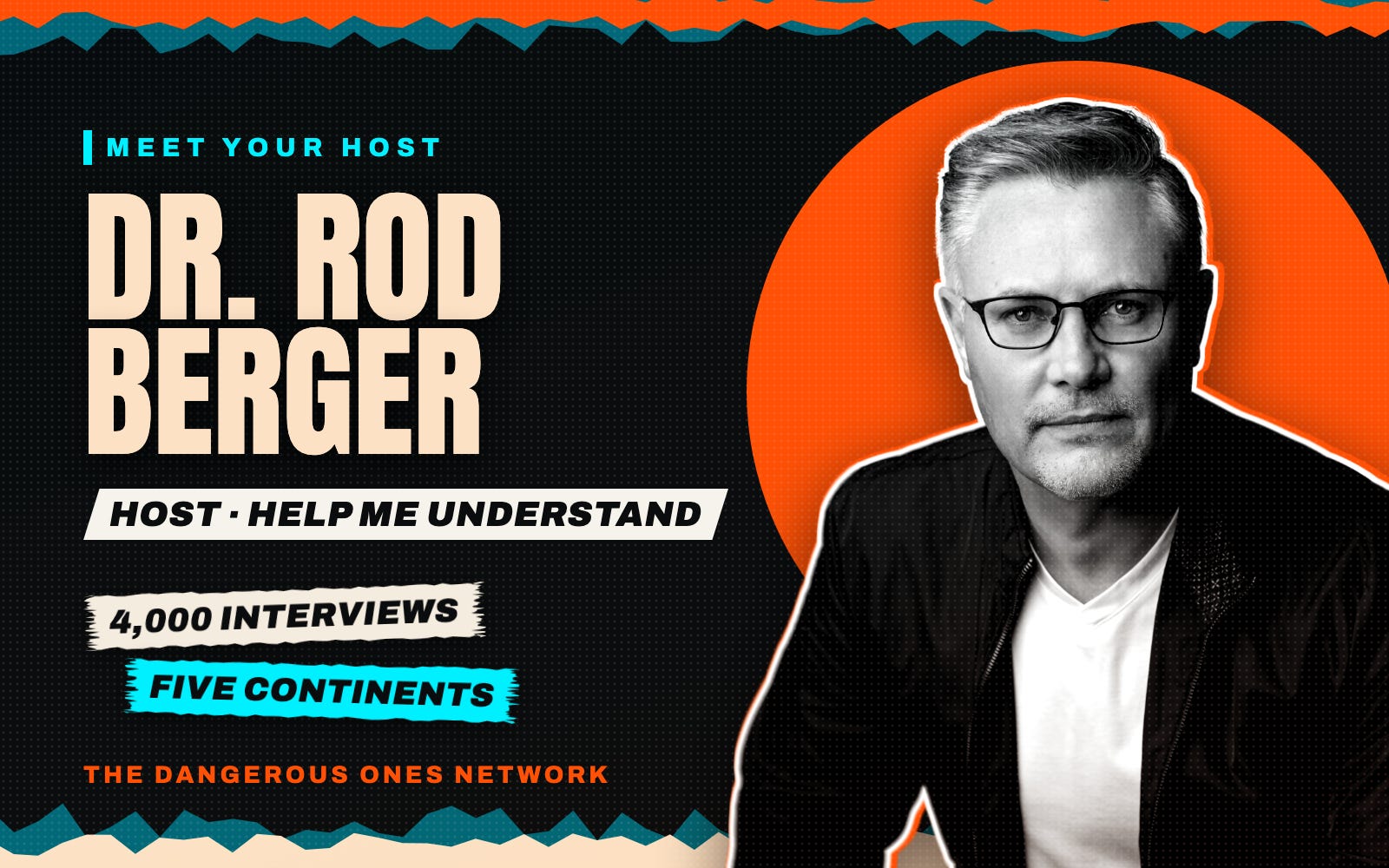
I’ve written for Forbes and Entrepreneur, and I serve as Editor-at-Large at Fair Observer. For nearly two decades, I was a guest lecturer on Storytelling in Business at Vanderbilt’s Owen Graduate School of Management. You’ll find more of my work at drrodberger.com.
Here, my job is narrower. The callers can take a side. I don't. I go looking for where we've seen this before, and I bring back the strongest case each side can make.
Help Me Understand, the podcast
Help Me Understand is my podcast on The Dangerous Ones Network. Each episode takes the stories from the news that make no sense to an ordinary person and asks the question we should be asking and aren't.
Latest episode: Tempered Steel, with Marshall Herskovitz. Jensen Huang’s return, the founding idea of liberalism, and a blacksmith’s lesson.
Recent episodes: Six Chickens, Seven Eggs with Marshall Herskovitz, Who Taught Us to Expect the Lights, Guardrails with Marshall Herskovitz, and The Weight Lifted.
The book
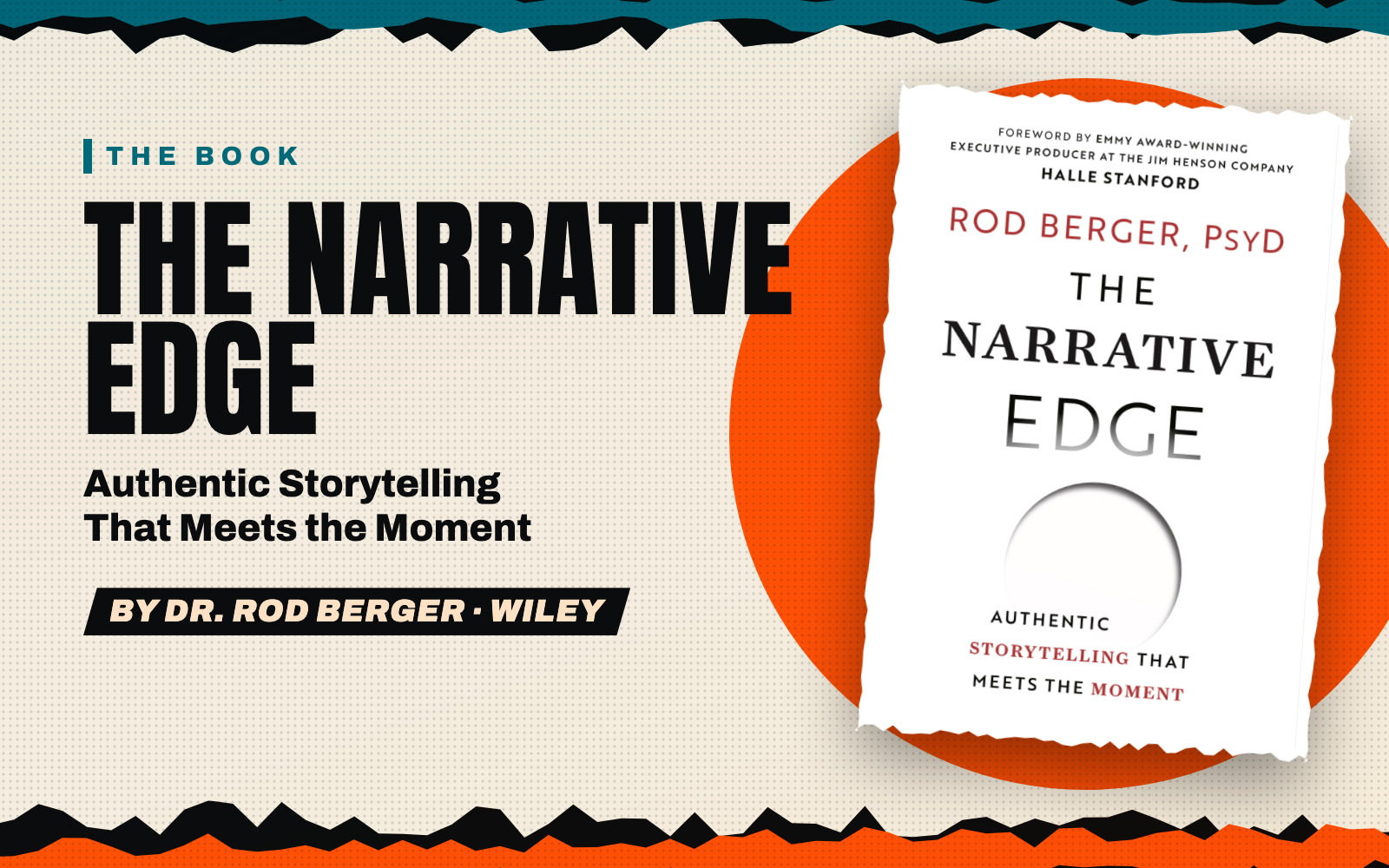
Most of us live inside stories we never chose. Someone handed them to us, and we kept telling them.
The Narrative Edge: Authentic Storytelling That Meets the Moment (Wiley) is my book about learning to see those stories: how a story gets built, whose interests it serves, and what it asks you to do. Help Me Understand brings the same habit to the news.
Watch or listen: Tempered Steel
Help Me Understand with Dr. Rod Berger, on The Dangerous Ones Network. Have something you're trying to understand? Call The People's Hotline and leave a message: 503-212-4600.